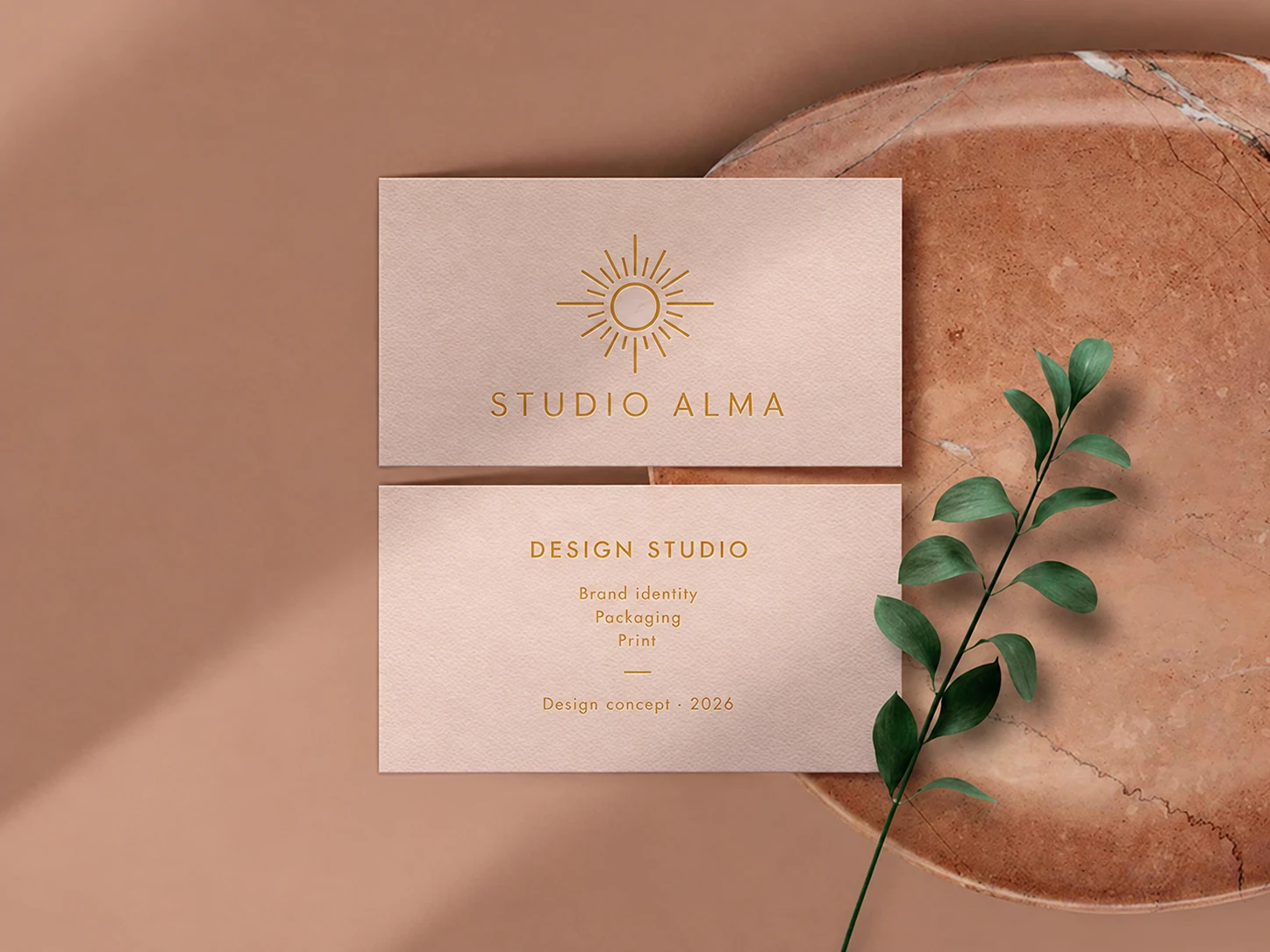
The Ultimate Guide to Business Card Design Singapore: Mastering the 2026 Professional Aesthetic
In the high-pressure boardroom environments of Raffles Place and the bustling networking halls of Marina Bay Sands, a single exchange often dictates the trajectory of a multi-million dollar partnership. You reach into your pocket, hand over your card, and in that split second, a judgment is made. Is this card a reflection of a forward-thinking leader, or a relic of a legacy brand that has failed to adapt? Most professionals in the Lion City are currently losing this battle. Despite the digital revolution, business card design Singapore remains the most critical physical touchpoint in professional networking, yet thousands of cards are discarded daily because they lack the “tactile gravity” required to command attention.
The logistical pain is real: you spend hundreds on printing, only to realize your contact information is illegible, your QR code doesn’t scan, or worse, your card feels “cheap” compared to your competitor’s. This guide serves as your comprehensive blueprint to navigating the complex landscape of premium card aesthetics and technical printing execution in 2026.
The 2026 Business Card Dilemma: Why Traditional Cards No Longer Resonate in Singapore
The Singaporean business landscape is undergoing a radical shift. As we move further into a post-digital era, the novelty of a “standard” business card has evaporated. To stand out, a card must offer more than just information; it must offer an experience.
Drowning in the Digital Tide: The Failure of Non-Tactile Branding
In an age of digital fatigue, standing out requires more than just a name on a screen. The physical experience of your business card can make or break your brand impression:
- Digital connections are fleeting – Online interactions feel ephemeral; a business card needs to create a lasting impact.
- Tactile elements create engagement – Features like embossing, unique textures, or premium paper weight trigger a sensory response.
- A weak card gets ignored – Without tactile appeal, your card is likely to be treated as wastepaper.
- Touch is your “hook” – In business card design Singapore, the moment a card enters a recipient’s hand is a crucial opportunity to tell your brand story.
- Make your narrative felt – Sensory design reinforces your brand identity and ensures your message is noticed, remembered, and respected.
Missed First Impressions: How Chaotic Layouts Sabotage Your Authority
Many Singaporean SMEs fall into the trap of cramming too much information onto a small canvas, undermining their brand credibility. Key points to consider:
- Avoid the “information dump” – Overloading a 90mm x 54mm card with services, social media handles, and addresses collapses visual hierarchy.
- Clutter signals a lack of focus – Instead of appearing comprehensive, a crowded card conveys confusion and immaturity.
- Clients perceive chaos, not capability – A cluttered card doesn’t communicate a “one-stop shop”; it projects a brand in crisis.
- Strategic omission is essential – graphic designer in Singapore know that what you leave out can be as important as what you include.
- Clarity reinforces professionalism – Focused, thoughtful design ensures your brand message is instantly understood and respected.
The Invisible Pressure of Missed Deals: How Mediocre Design Stalls Your Brand Growth
The stakes of poor design are higher than mere aesthetics; they are financial. In a market as competitive as Singapore, a mediocre card acts as an invisible barrier to entry.
Visual De-escalation: When Modern Minimalism Meets Outdated Aesthetics
Imagine your prospect is reviewing a stack of cards after a conference. They find a sleek, matte-finish card with spot UV accents from your competitor, and then they find your card—printed on standard 260gsm art card with a dated glossy finish. This “visual de-escalation” instantly positions you as the lower-tier option, regardless of your actual expertise or pricing.
The Sustainability Threshold: Is Your Brand “Out of Sync” with ESG Values?
With the Singapore Green Plan 2030, corporate responsibility is no longer optional—it influences procurement decisions and brand perception. Key considerations for business card design:
- Sustainability matters – Using non-recyclable plastics or heavy chemical coatings can alienate eco-conscious partners.
- Luxury and environmental stewardship can coexist – High-end materials like FSC-certified recycled stocks allow for a premium feel without compromising sustainability.
- Meet modern professional standards – Business card design Singapore must reflect both quality and responsibility, aligning with contemporary corporate expectations.
- Eco-conscious design reinforces brand credibility – Sustainable choices demonstrate forward-thinking values and attract like-minded clients and partners.
- Invest in lasting impact – Thoughtful, environmentally responsible materials ensure your business card leaves a positive impression that goes beyond aesthetics.
The Technology Gap: Integrating QR Codes Without Ruining the Vibe
Many professionals realize they need a digital bridge, so they slap a giant, clunky QR code in the center of their card. This is a design disaster. The challenge in 2026 is “seamless integration”—making the QR code look like a deliberate design element rather than an afterthought. If your technology disrupts your aesthetics, you’ve already lost the “premium” battle.
5 Expert Strategies to Master Business Card Design Singapore in 2026
To dominate the local market, your cards must evolve. Here are five core strategies that are defining the next generation of professional identity.
Strategy 1: Why Minimalist Layouts are Essential for Modern Business Card Design Singapore
Minimalism is not about absence; it is about the “intentionality of space.” In 2026, the most prestigious cards in the Singaporean financial and legal sectors are utilizing massive amounts of white space (or negative space). This allows the brand mark and the individual’s name to breathe.
According to research on visual cognitive load, clean designs allow the brain to process information faster and with higher retention. By prioritizing a restrained color palette—think charcoal greys, deep navy, or forest greens—you project a sense of calm authority. This is the cornerstone of premium business card design Singapore.
Strategy 2: Bold Typography as a Structural Power Move
When you strip away the icons and the background images, typography becomes your primary storytelling tool. We are seeing a surge in “display typography”—where the person’s name or the company’s initials are scaled to the edges of the card.
-
Serif Fonts: Communicate heritage, trust, and institutional power.
-
Sans-Serif Fonts: Communicate agility, tech-savviness, and modernity.
Mixing these styles with confidence creates a visual hierarchy that guides the eye exactly where you want it to go.
Strategy 3: Breaking the Rectangle with Die-Cut Innovation
Who says a business card must be a rectangle? Unique business card design Singapore is increasingly moving toward custom silhouettes. This could mean rounded corners that feel softer in the hand, or complex internal die-cuts that mimic a company’s logo.
For example, an architectural firm might use a card with a laser-cut geometric pattern that reflects their structural style. These cards are rarely thrown away because they feel like “objects” rather than “documents.”
Strategy 4: Futuristic Accents: Holographic Foils and Metallic Finishes
For those in the fintech or creative sectors, the “Industrial-Glitch” aesthetic is a major trend for 2026. This involves using holographic foils that change color depending on the light, paired with a dark, matte background. These light-reactive finishes add a futuristic, elevated layer to the card, signaling that your brand is at the cutting edge of innovation.
Strategy 5: The Collectible Series: Turning Cards into Brand Assets
Instead of one single design, savvy Singaporean brands are creating “color suites.” A marketing agency might print their cards in four different brand colors. When meeting a client, they offer the stack and let the client “pick their favorite color.” This small act of interaction increases the “endowment effect”—people are more likely to keep something they have actively chosen.
Physical Evolution in a Digital Age: Seamlessly Blending Both Worlds
The most successful business card design Singapore projects in 2026 don’t ignore the digital world; they master the transition to it.
The Industrial Blueprint: Logic-Based Grids
A rising trend is the “Blueprint Grid” layout. This uses subtle, technical lines—resembling a CAD drawing or a grid—to organize information. It appeals to the Singaporean appreciation for precision and planning. Within this grid, the QR code is placed with mathematical exactness, often aligned with a “tech-heavy” font that links directly to a digital portfolio or a professional printing company Singapore landing page.
Tactile Priority: The Weight of Information
There is a psychological phenomenon where people perceive heavier objects as having more “value.” In the world of business cards, this translates to paper weight.
| Paper Weight | Typical Use / Perception |
|---|---|
| 350gsm | Standard entry-level — solid, affordable, but not premium. |
| 450gsm – 600gsm | The “Luxe” zone — conveys high value, especially with textured or soft-touch finishes. |
When you hand over a 600gsm card with “Sandpaper” or “Soft Touch” lamination, the recipient subconsciously attaches that “weight” and “quality” to your professional reputation.
Implementing the Vision: Choosing Your Business Card Design Singapore Partner
Design is only half the battle; the other half is the “translation” from screen to paper. Singapore offers a plethora of printing options, but not all are created equal.
Luxe Stock and Spot UV: The Quality Matrix
When sourcing business cards, the final look and feel often matter more than the cost. Consider these finishing techniques:
- Spot UV – Applies a glossy layer to specific elements (like your logo), turning a simple design into a visually striking piece.
- Debossing – Presses your logo or design into the paper, creating a tactile, three-dimensional effect that draws attention.
- Focus on impact, not just cost – A higher-quality finish elevates your brand perception and ensures your card stands out in a competitive market.
- Design as an experience – Strategic finishes engage both sight and touch, reinforcing your brand story every time the card changes hands.
Balancing the Budget: Poster Printing Singapore Price vs. Card Value
While many businesses try to bundle marketing collateral to save costs, the approach doesn’t always translate to business cards. They are scrutinized up close, making precision and quality non-negotiable. Key points:
- Don’t cut corners despite other savings – While keeping an eye on poster printing Singapore price is important for your event signage budget, business cards are not the place to pinch pennies.
- High-definition offset printing ensures accuracy – Produces crisp text, sharp details, and perfect reproduction of brand colors, including Pantones.
- Digital prints may compromise quality – Cheaper runs can result in muted colors or inconsistent finishes, which can damage your brand perception.
- Cards are viewed up close – Unlike posters, which are seen from a distance, business cards are inspected from six inches away, leaving very little room for error.
- Invest in lasting impact – Premium printing communicates professionalism, attention to detail, and reinforces your brand with every client interaction.
Elevate Your Brand Authority with Premium Business Card Design Singapore
As we look toward the business landscape of 2026, it is clear that the business card is not dying—it is being reborn as a high-value brand asset. In a city like Singapore, where “face” and reputation are paramount, your card is your silent advocate. It speaks for you when you leave the room.
By integrating minimalist aesthetics, bold typographic choices, and high-end tactile finishes, you move beyond the “contact card” and into the realm of “brand experience.” Whether you are a startup founder in Block71 or a C-suite executive in a CBD skyscraper, your goal is the same: to leave a mark that is impossible to erase.
Key Takeaways for 2026
-
Prioritize Texture: If it feels good, it stays in the wallet. Use Luxe stocks.
-
Simplify the Visuals: Embrace white space to project authority.
-
Integrate Tech Gracefully: Use grid systems to house QR codes naturally.
-
Be Sustainable: Use FSC-certified materials to align with Singapore’s green initiatives.
-
Focus on Quality over Quantity: It is better to have 100 premium cards than 1,000 forgettable ones.
Conclusion: The Silent Ambassador of Your Brand Soul
Your business card is the smallest piece of marketing you will ever produce, but it carries the heaviest weight. It is the physical manifestation of your professional soul. In 2026, business card design Singapore is no longer about “fitting in”—it is about “standing out” through quality, intentionality, and a deep understanding of human psychology.
Don’t let your first impression be your last. Invest in a design that bridges the gap between the physical and the digital, the traditional and the futuristic. When you hand over your next card, do it with the confidence that you are handing over a masterpiece of brand engineering.
For those ready to transform their professional identity, the journey starts with a commitment to excellence. Explore the possibilities of premium business card design Singapore and ensure that every handshake leads to a lasting legacy. In the end, the most powerful tool in your networking arsenal isn’t your smartphone—it’s the 3.5 by 2-inch piece of art sitting in your pocket, waiting to start a conversation.
For further reading on design trends and printing technicalities, consult industry leaders like Adobe’s Design Guide or explore the latest in Pantone Color Theory to ensure your brand palette remains contemporary.