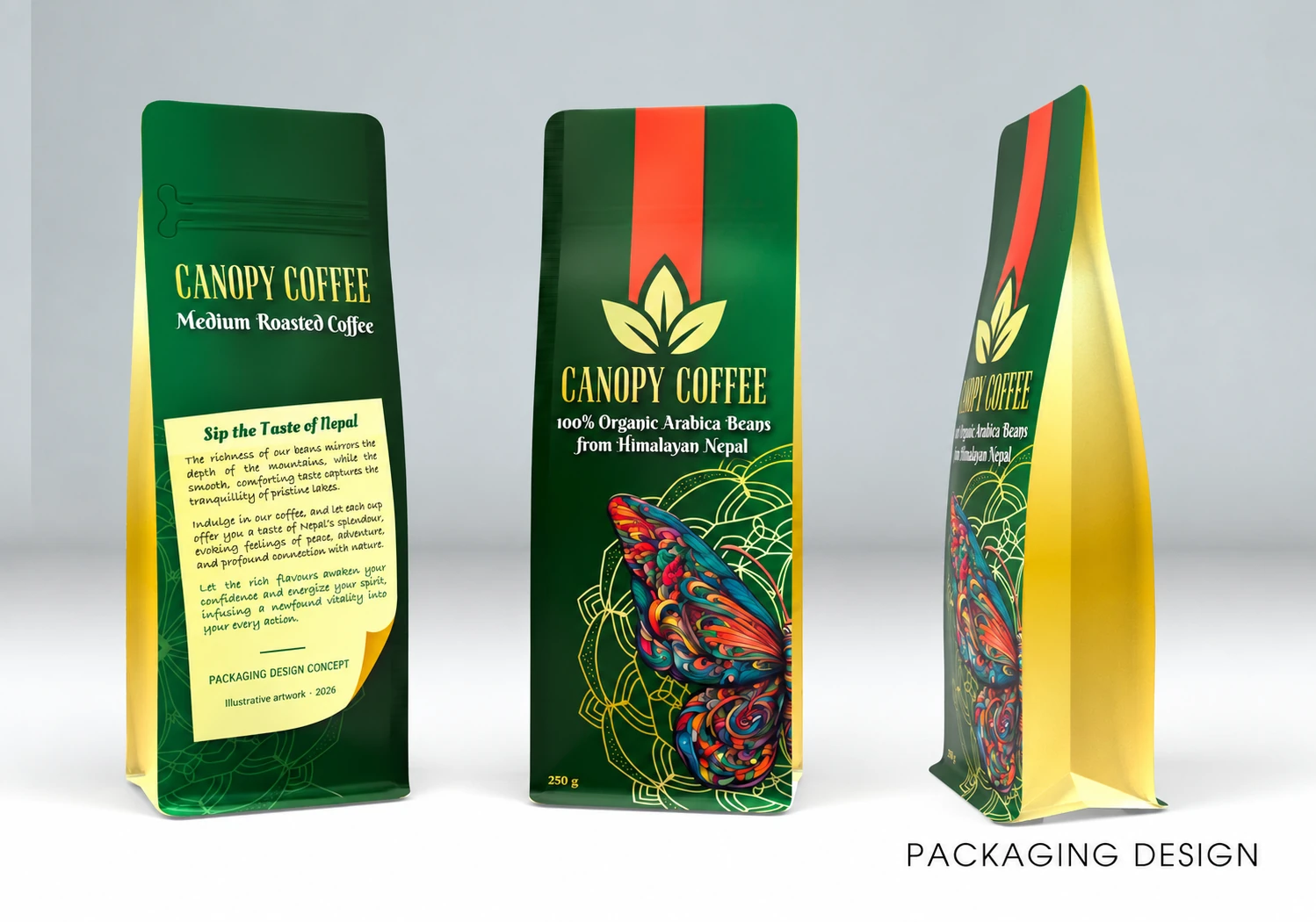
2026 Food Packaging Design in Singapore: 7 Innovative Solutions for Sustainable Transformation and Cost Pressure
Key Takeaways
The F&B landscape in Singapore is facing major pressure from rising material costs and the imminent Beverage Container Return Scheme (BCRS). If your food packaging design hasn’t evolved in the last three years, you’re likely losing margin, shelf appeal, and consumer trust. Sustainable, return-friendly, and digitally integrated packaging is now a regulatory and commercial necessity—especially for brands that want to remain competitive in 2026.
The seven innovations covered here—edible materials, active preservation, nanotech high-barriers, compostable alternatives, interactive traceability, minimalist lightweighting, and personalized sustainable customization—provide a practical roadmap for brands to reduce costs, improve shelf life, and meet both consumer and regulatory expectations.
The Turning Point for Food Packaging Design in Singapore in 2026: Transformation Pain Points for Businesses
As we approach 2026, the Singaporean market is hitting a critical crossroads. Transitioning from traditional single-use plastics to a circular economy model has moved from a CSR initiative to a legal and operational requirement. For many SMEs, redesigning product lines while maintaining brand consistency is a major logistical and financial hurdle.
The Impact of the 2026 Beverage Container Return Scheme (BCRS) on the F&B Industry
The National Environment Agency (NEA) has confirmed the Beverage Container Return Scheme (BCRS) for Singapore. The scheme mandates a deposit on plastic bottles and metal cans that consumers can reclaim upon returning empties. Packaging must now account for reverse logistics and ease of container identification by automated return machines.
This is about more than labels—material properties matter. Deformable containers or unreadable barcodes will cause system failures. Integrating these regulatory requirements into the initial design phase is essential to avoid penalties and ensure “return-friendly” products.
The Anxiety of Brand Competitiveness: When Traditional Packaging Becomes a Burden on Profit and Image
Legacy packaging that relied on multi-layered laminates preserved products well but is now difficult to recycle, increasing disposal taxes and damaging brand perception among Gen Z and Millennial consumers.
The Dilemma of Rising Material Costs and Supply Chain Transparency
Global supply chain challenges and rising material costs are reshaping the packaging landscape. To stay competitive, brands must innovate, invest wisely, and maintain transparency. Key considerations include:
- Rising Material Costs: Global supply chain disruptions have increased prices for virgin plastics and specialized pulp.
- Need for Innovation: Brands must redesign packaging to stay relevant and meet consumer expectations.
- High R&D Costs: Developing new materials can be expensive and resource-intensive.
- Importance of Transparency: Brands must verify the source of materials and the authenticity of recycled claims.
- Risk of Overpaying: Without verified claims, companies may invest in marketing advantages they cannot deliver.
Ensuring Food Shelf Life and Safety While Meeting Sustainability Requirements
Food packaging’s core role is protection. In Singapore’s humid climate, moisture and heat pose significant risks to shelf life. While sustainability is important, switching to biodegradable materials can reduce barrier performance and inadvertently increase food waste. The solution lies in integrating “Smart” and “Active” features to ensure safety while minimizing reliance on non-recyclable polymers.
- Primary Function: Protection of food from moisture, heat, and spoilage.
- Climate Challenge: Singapore’s humidity and temperature threaten shelf life.
- Biodegradable Trade-Offs: Switching materials can compromise barrier properties and increase food waste.
- Innovative Solution: “Smart” and “Active” packaging can maintain safety and shelf life.
- Sustainability Balance: Reduces dependency on heavy, non-recyclable polymers without sacrificing protection.
1. Edible Packaging: The Ultimate Zero-Waste Solution
Edible packaging moves beyond composability—materials are designed to be consumed. This eradicates disposal needs and can be a major differentiator in Singapore’s grab-and-go market.
Seaweed and Starch-Based Material Applications for Ready-to-Eat Snacks
Bio-based materials like seaweed films and starch coatings are emerging as effective solutions for small-format packaging. They offer sustainability benefits without compromising performance, making them ideal for convenience-driven consumers in Singapore.
- Suitable Applications: Best for small-format items such as condiment sachets and snack portions.
- Performance: Research from the NEA shows bio-polymers can provide good oxygen barriers while being safe to consume or rapidly composted.
- Innovative Examples:
- Dissolvable coffee sachets
- Flavored rice-paper burger wraps
- Brand Advantage: These concepts can elevate brand positioning for convenience-focused Singapore consumers, combining sustainability with novelty.
2. Active Packaging Technology: Extending Shelf Life and Enhancing Food Safety
Active packaging interacts with the package environment to preserve contents—ideal for delivery-heavy markets and exporters.
Oxygen Scavengers and Antimicrobials in Modern Food Packaging Design
Incorporating oxygen absorbers, ethylene removers, or antimicrobial linings can extend shelf life and reduce the need for chemical preservatives. The active packaging market is growing because it addresses food waste directly—extending bread shelf life from 3 to 7 days, for example, enables “clean label” claims with strong consumer appeal.
3. Nanotechnology-Driven High-Barrier Smart Packaging
Nanotechnology is unlocking new possibilities in packaging by combining protection, sustainability, and efficiency in a single solution.
- Ultra-Thin Protection: Nanotech enables films that are as protective as thick multilayer plastics while reducing weight and improving recyclability.
Utilizing Lightweight High-Performance Films to Protect Sensitive Foods
Nanocomposites infused with nanoclay or metal oxides create a tortuous path for gases, improving barrier performance. As noted by ScienceDirect, these films are lighter and lower-cost to ship—ideal for premium tea and coffee brands that want to preserve aroma without aluminum layers.
4. Beyond Plastic: Practices in Biodegradable and Compostable Materials
By 2026, consumers and regulators will demand true compostability, not oxo-degradable materials that fragment into microplastics.
Material Upgrade Strategies Aligned with Singapore’s 2026 Environmental Goals
Move toward PHA and PLA derived from plant starch. Structural integrity must be rethought to avoid melting or sogginess—strategies include strategic material layering and natural wax coatings. Aligning with the Singapore Green Plan 2030 can help brands access grants and government opportunities.
5. Interactive and Smart Features: Deep Application of QR Codes, NFC, and AR
Packaging is a digital touchpoint—use it for traceability, engagement, and post-purchase brand interaction.
Enhancing Trust in Singapore Product Packaging Solutions via Digital Traceability
QR codes and NFC enable farm-to-fork traceability: scan organic chicken to view farm certifications, slaughter date, and transport temperature logs. According to FoodNavigator-Asia, transparency is top for building loyalty in modern Asian markets. AR can also create interactive experiences like educational games or virtual sommeliers.
6. Minimalist and Lightweight Design: The Perfect Marriage of Aesthetics and Logistics Efficiency
Minimalism is financial strategy: remove unnecessary layers and right-size packaging to reduce material and shipping costs.
Design Practices to Reduce E-commerce Logistics Costs and Material Waste
Right-sizing reduces unit weight, increases pallet efficiency, and lowers reporting obligations under Singapore’s packaging framework. Key benefits include:
-
Lower air and sea freight costs due to reduced weight.
-
More units per pallet, optimizing warehouse space.
-
Lower packaging reporting obligations.
Do not let minimalism appear cheap—focus on material quality and finish to maintain a premium look. Avoid the top mistakes businesses make in marketing collateral.
7. Personalized Brand Image and Sustainable Customization
Mass personalization through digital printing enables limited runs and bespoke packaging without high setup costs—appealing to Gen Z’s demand for individuality and shareable experiences.
Digital Printing and Biomaterials: Targeting the Gen Z Unboxing Experience
Combine digital printing with biomaterials from innovators like Notpla to deliver an Instagrammable unboxing experience that is also truly sustainable.
How to Choose the Ideal Food Packaging Design Partner in Singapore
Selecting a partner means looking beyond aesthetics. Seek a consultant versed in material science, local regulations, prototyping, and digital integration.
Key Metrics for Cost-Effectiveness and Compliance
Evaluate potential partners against these metrics:
| Regulatory Knowledge | Understanding of NEA requirements, BCRS implications, and advice on certifications like Green Mark. |
| Material Expertise | Access to suppliers for sustainable substrates (PHA, mycelium, recycled polymers) and ability to provide samples. |
| Prototyping Capabilities | 3D mockups and physical prototypes to test leakage and shelf life before large runs. |
| Logistics Awareness | Design accounting for local delivery dimensions, GrabFood bags, and freight optimization. |
| Digital Integration | Capability to integrate QR, NFC, AR features into packaging graphics and traceability systems. |
For end-to-end solutions from concept to production, consider working with a specialised printing company in Singapore experienced in sustainable substrates and digital techniques.
Conclusion: The Future Belongs to the Prepared
2026 will be a watershed year for Singapore’s F&B industry. Treat food packaging design as a strategic asset rather than a cost center. By adopting edible materials, active preservation, smart features, and efficient design, brands can convert sustainability pressure into competitive advantage. Start planning now so your packaging tells a story of innovation, responsibility, and quality when regulations arrive.
Whether you run a boutique café or a large-scale manufacturer, rethinking your product packaging solutions Singapore is essential. Embrace these seven innovations to ensure your brand leads in 2026.